
Pruning · Landscape Maintenance
Why Pruning Every Plant the Same Way Can Hurt Your Landscape
Published June 23, 2026 · By Matt Giordano
Early summer is when many homeowners head outside to clean up their landscape beds.
Shrubs are getting full. Branches are hanging over walkways. Beds that looked neat in spring can suddenly start to feel overgrown. For a lot of homeowners, the natural instinct is to grab the hedge trimmer and cut everything back at once.
It may feel efficient, but pruning is not one-size-fits-all.
Different plants respond very differently to being cut. Some can handle a hard trim at certain times of year. Others can lose their shape, their blooms, or even their long-term health if they are pruned the wrong way.
To keep your landscape looking its best, the real key is knowing what plant you are dealing with before you start cutting.
Japanese Maples — Shape Matters
Japanese maples are a great example.
The beauty of a Japanese maple comes from its delicate, airy structure. These trees are not meant to look like rounded hedges or tightly clipped shrubs. Their value comes from the natural branching pattern, layered canopy, and graceful shape.
That is why using a hedge trimmer on a Japanese maple is usually the wrong approach.
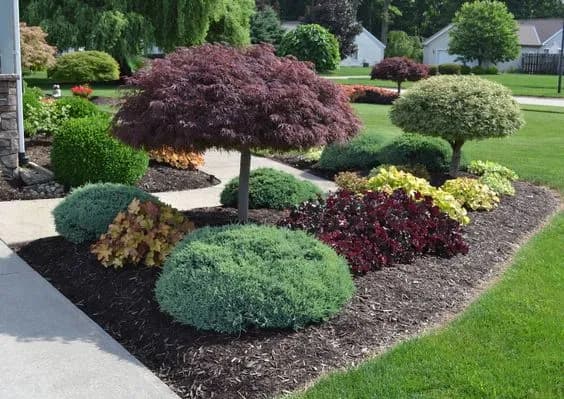
Instead of shearing the outside of the tree, Japanese maples are usually better maintained through selective pruning. This means removing individual shoots and branches with care, rather than cutting the entire plant into a uniform shape.
Selective pruning can help reduce density, improve airflow, remove crossing or damaged branches, and preserve the natural form that makes Japanese maples such a standout feature in the landscape.
The Goal of Selective Pruning
The goal is not to force the tree into a shape. The goal is to reveal and maintain the shape it already wants to have.
Hydrangeas — Timing Can Determine Whether They Bloom
Hydrangeas are another plant where pruning mistakes are extremely common.
Have you ever wondered why one hydrangea is covered in blooms while another produces almost none?
A lot of the time, the answer comes down to timing.
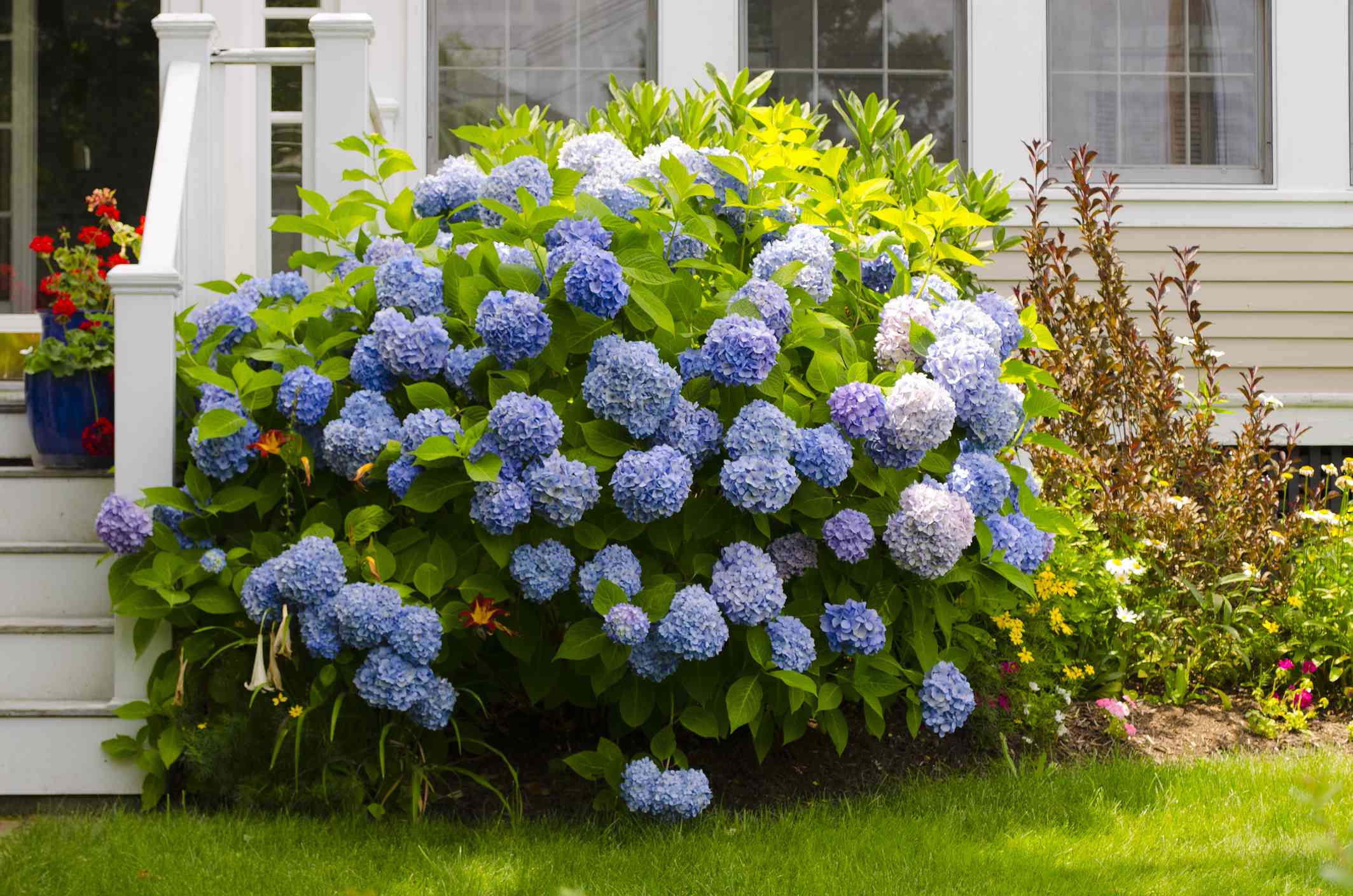
Many of the classic blue and pink hydrangeas bloom on old wood. That means they develop next year's flower buds on stems that are already growing today. If those stems are cut back during a spring cleanup, many of the season's blooms can disappear before they ever have a chance to open.
From the outside, it may look like you are just cleaning up the plant. But if the wrong stems are removed at the wrong time, you may also be removing the flowers.
Other hydrangeas work differently. Popular varieties like Limelight hydrangeas bloom on new growth. These can often be pruned during late winter or early spring because their flower buds form on the new stems they produce that season.
That is why two hydrangeas in the same neighborhood can require completely different pruning schedules. Before cutting back a hydrangea, it is important to know what type it is. Otherwise, a quick spring cleanup can turn into a bloomless summer.
Fruit Trees — Pruning Affects More Than Appearance
Fruit trees require an even more specialized approach.
Pruning a fruit tree is not just about making it look cleaner. Proper pruning can increase sunlight penetration, improve airflow, strengthen branch structure, and support healthy fruit production.
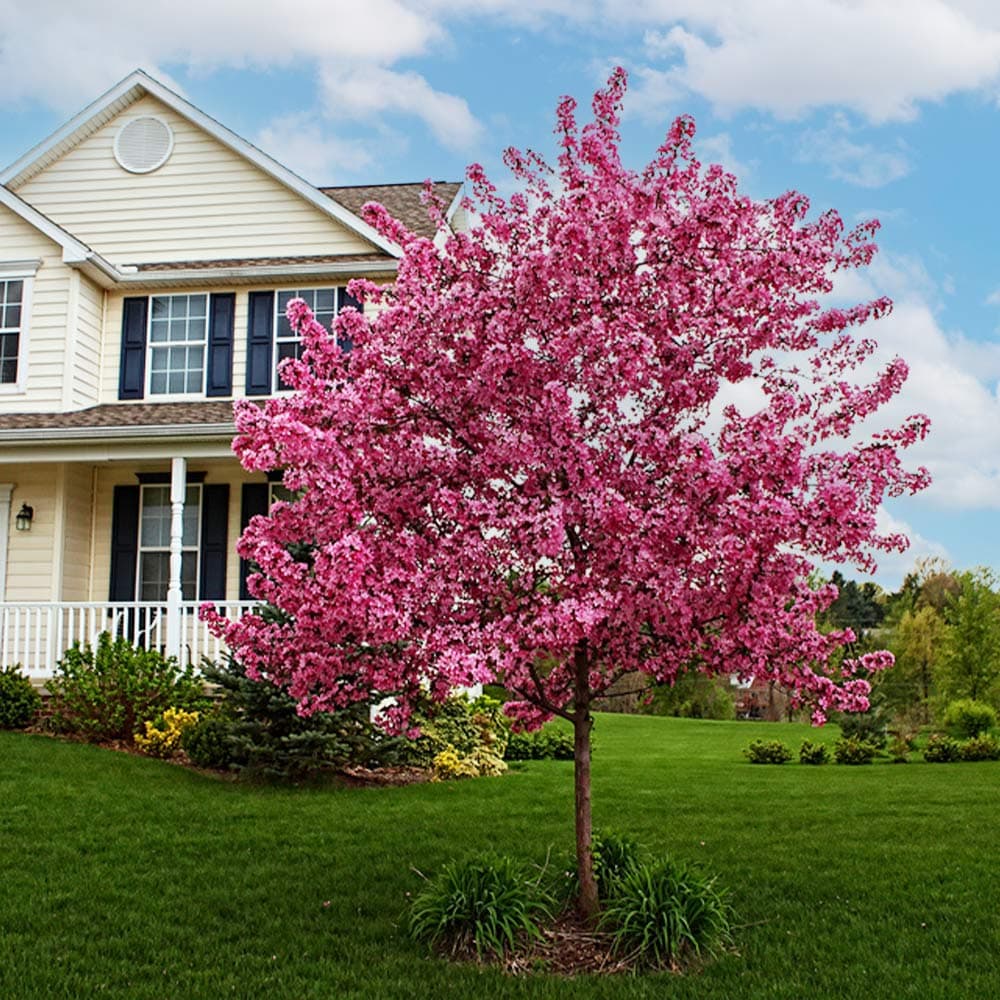
A fruit tree with too much crowded growth can struggle to move air through the canopy. Dense branching can also block sunlight from reaching the interior of the tree, which can affect both plant health and fruit quality.
But even among fruit trees, there is no universal pruning schedule. Many fruit trees are pruned during dormancy, when the tree is not actively growing. However, stone fruit trees such as peaches, plums, and cherries are often better left until late fall, after cooler weather arrives.
That difference matters. A pruning schedule that works well for one type of fruit tree may not be ideal for another. The right timing depends on the species, the condition of the tree, and the goal of the pruning.
The Main Rule: Identify Before You Cut
The biggest pruning mistake homeowners make is treating every plant the same.
A hedge trimmer can be useful for certain plants, but it is not the right tool for everything. Some plants need shaping. Some need thinning. Some should barely be touched at certain times of year. Others need a more aggressive prune to stay healthy and productive.
The correct approach depends on the plant. Before cutting back your landscape, ask a few simple questions:
What type of plant is this?
Does it bloom on old wood or new wood?
Am I trying to shape it, thin it, reduce its size, or improve its health?
Is this the right time of year to prune it?
Those questions can be the difference between a healthier, better-looking landscape and a plant that loses its blooms, shape, or long-term structure.
Protect the Plants That Make Your Property Stand Out
Your Landscape Doesn't Need a One-Size-Fits-All Trim. It Needs a Plan.
If you would like one of the Varsity Mulching experts to create a pruning plan for your property, we would be happy to help identify your plants, discuss their maintenance needs, and recommend the right approach for each one.
— Matt Giordano, Founder of Varsity Mulching